

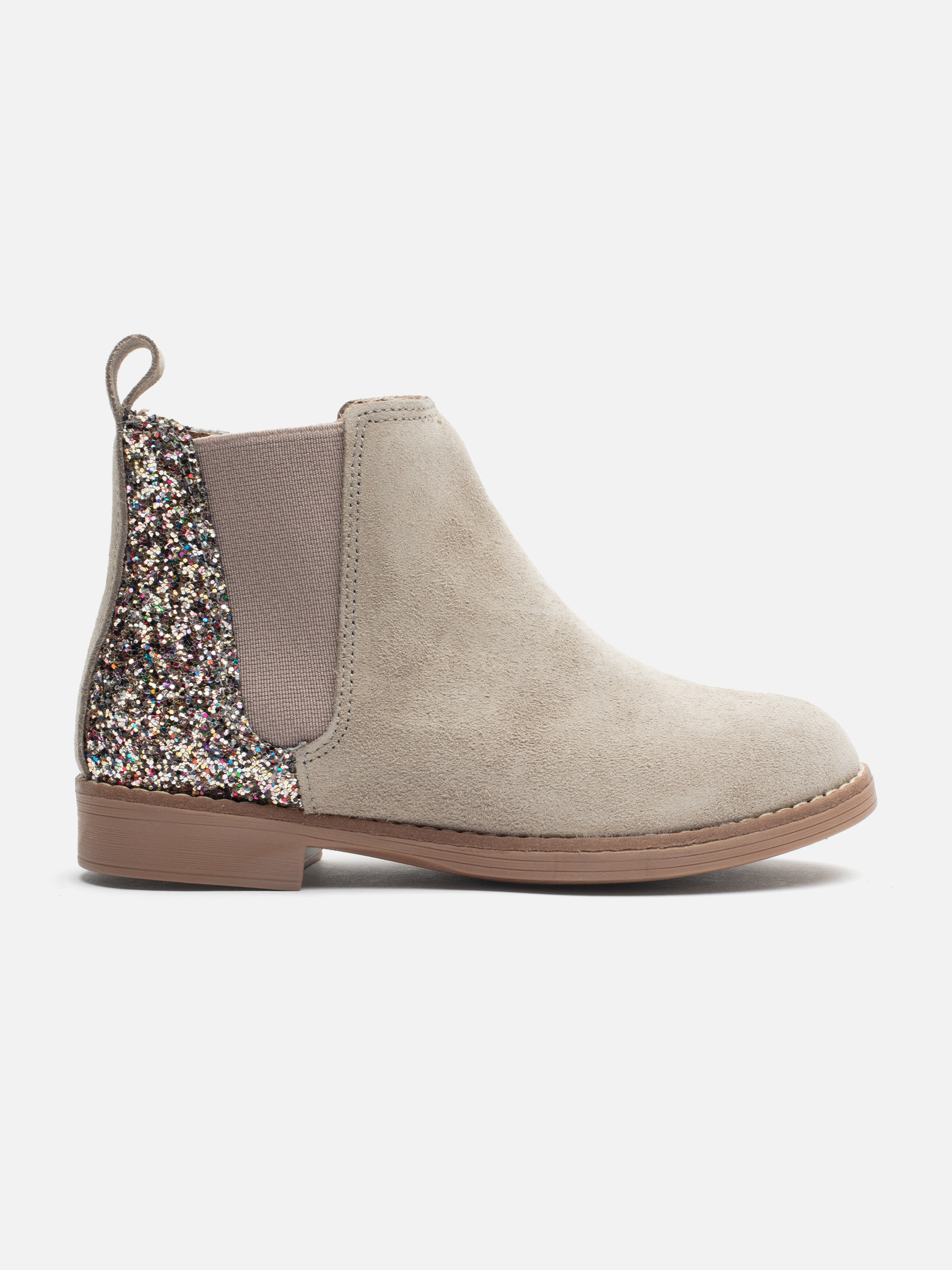
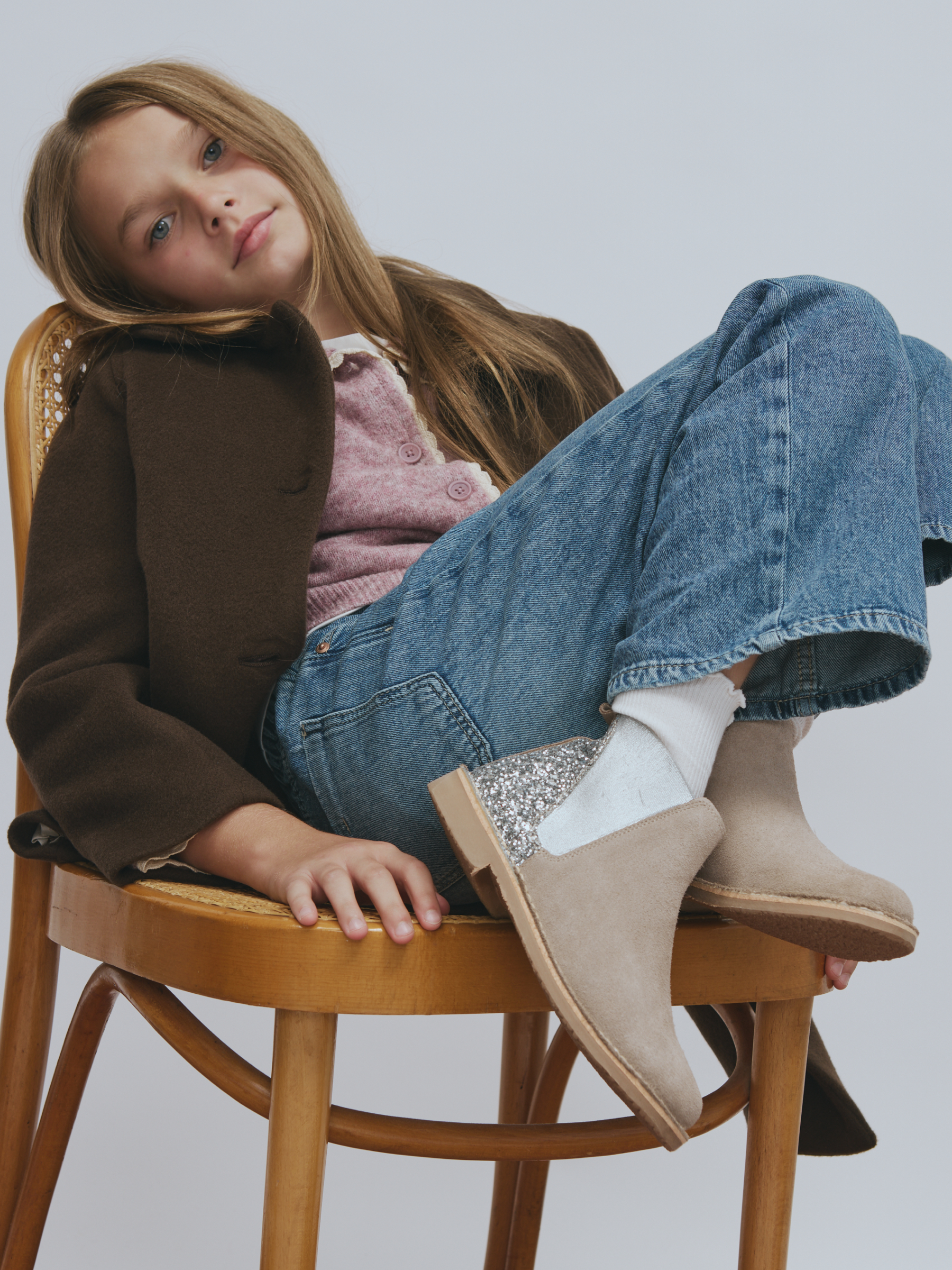

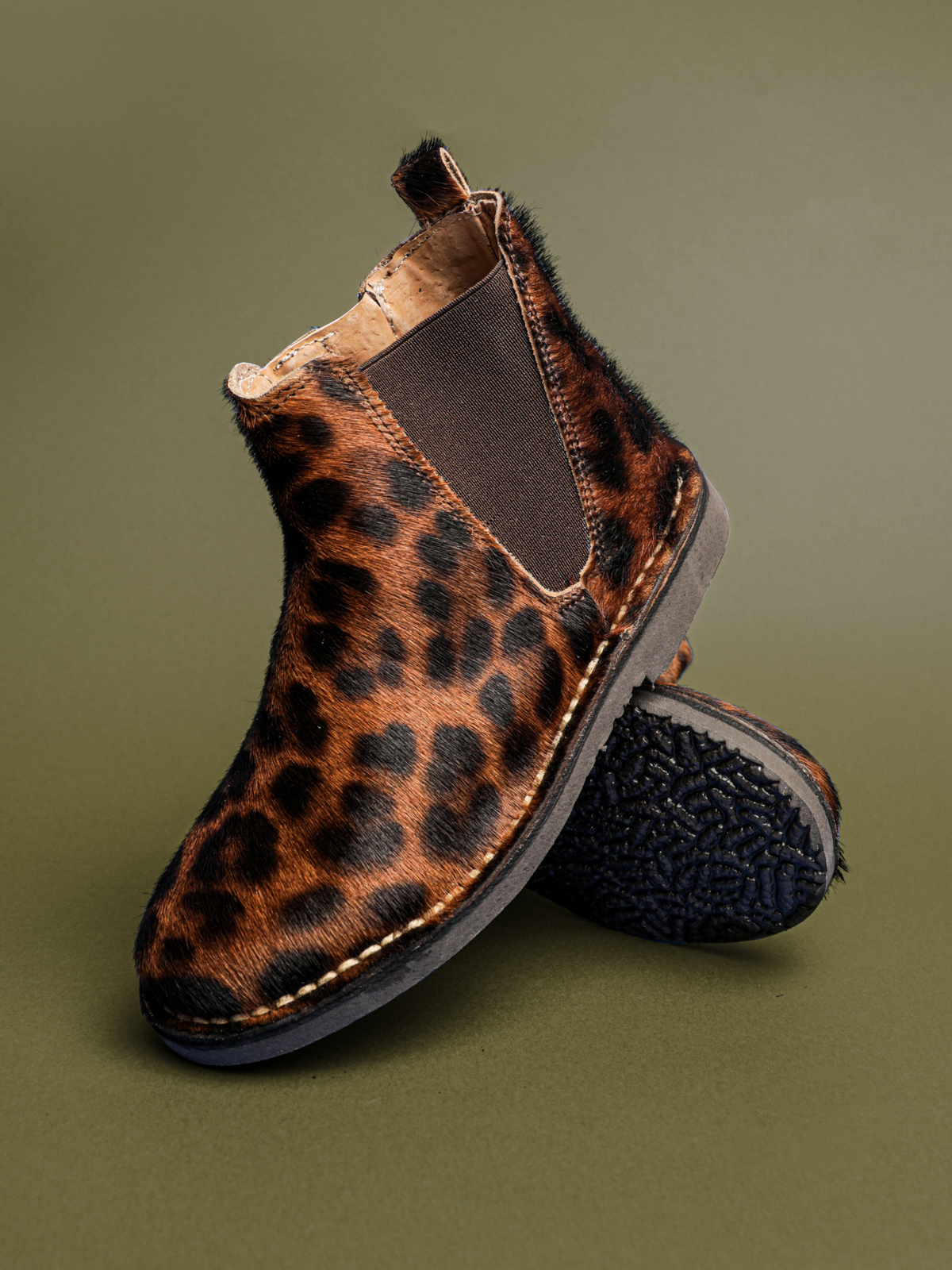


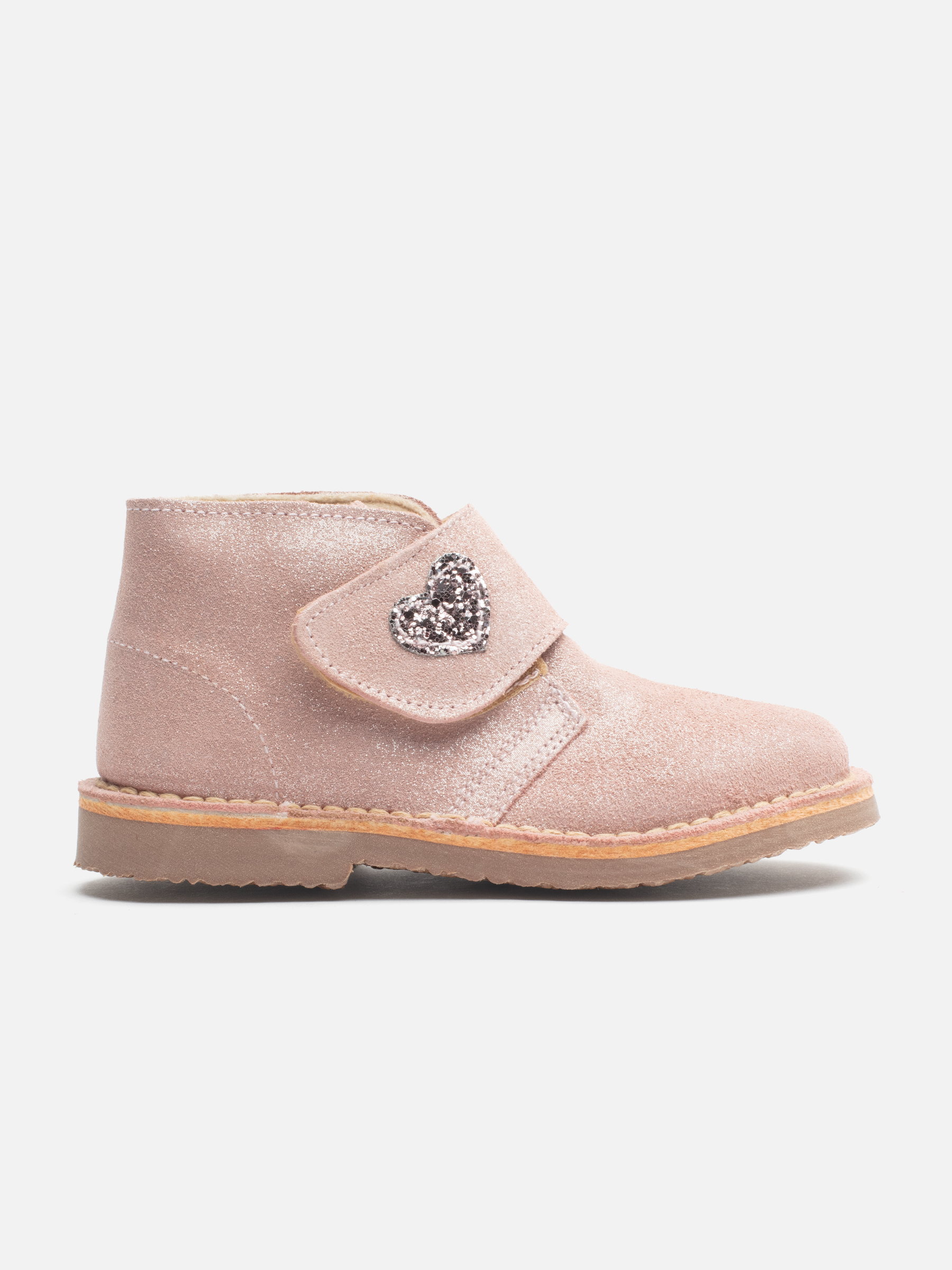
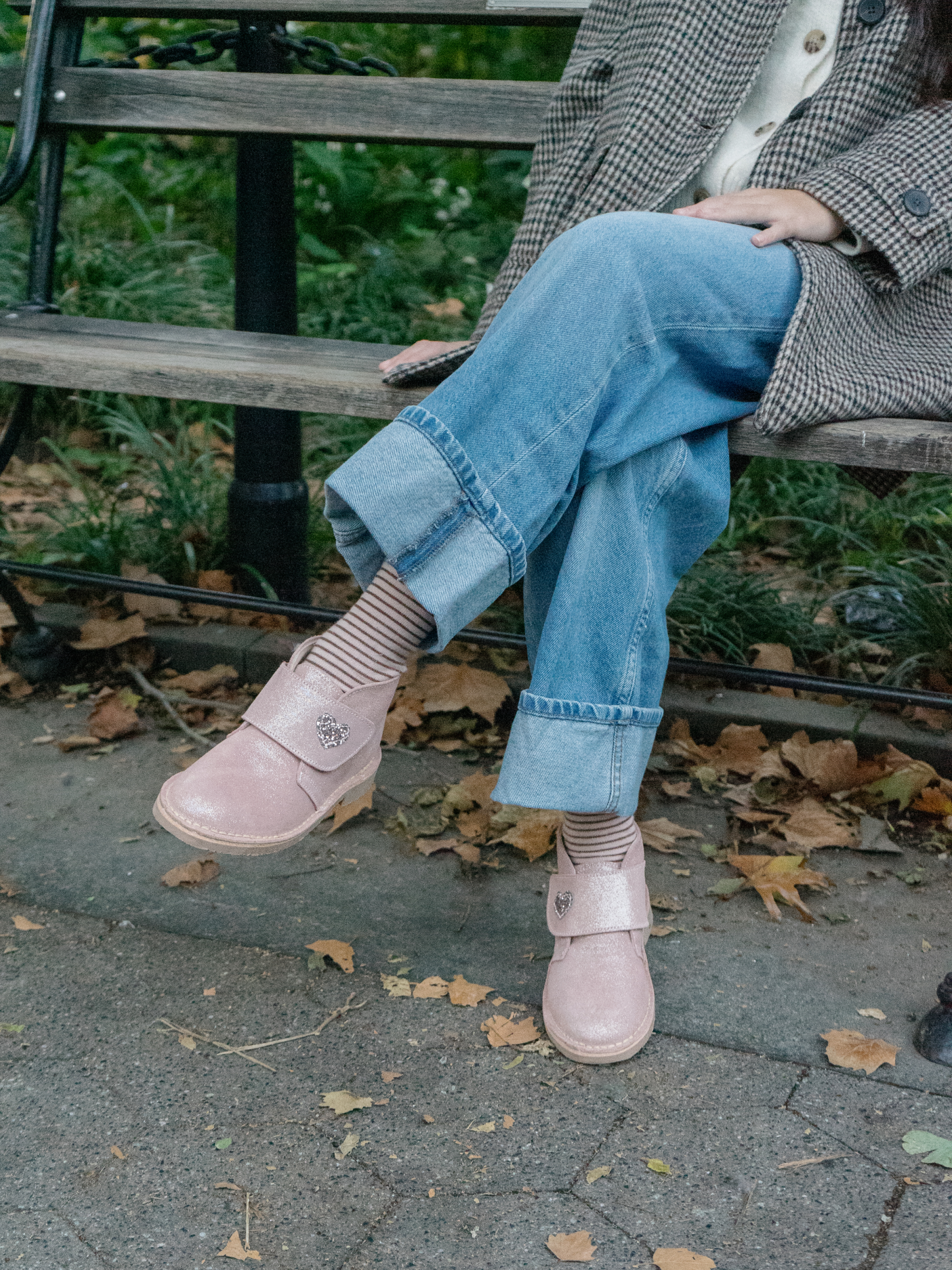

How to Break In New Mary Jane Shoes for Girls
New shoes can feel stiff right out of the box, and nobody wants a crying child on the first real day out in a brand new pair. If you are wondering how to break in new Mary Janes without a single tear at drop off, take a breath. This is normal, it happens to almost every new pair, and it is entirely fixable with a little patience beforehand.
Why new Mary Janes feel stiff at first
Natural materials like leather and suede need a little time to flex and mold to your daughter's actual foot, the way any new leather item does before it settles in. Stiffness in the first few wears is not a sign of a bad fit or a flaw in the shoe. It is simply the material doing what it always does before it softens into something that moves with her instead of against her.
5 steps to break in Mary Jane shoes
Here is the sequence we would walk any parent through, whichever pair she is wearing.
-
Wear them for short periods at home before a full day out. Fifteen or twenty minutes around the house lets the material start flexing without the stakes of a whole school day riding on it.
-
Add a thick sock to cushion friction points. The extra padding protects her heel and the sides of her foot while the material is still working out where it needs to give.
-
Gently flex the sole by hand to soften it. Bend the shoe at the ball of the foot a few times before she puts it on, which helps loosen up a stiff sole faster than wear alone.
-
Increase wear time gradually over a few days. Add another twenty or thirty minutes each day rather than jumping straight to a full afternoon, giving the material time to catch up with her.
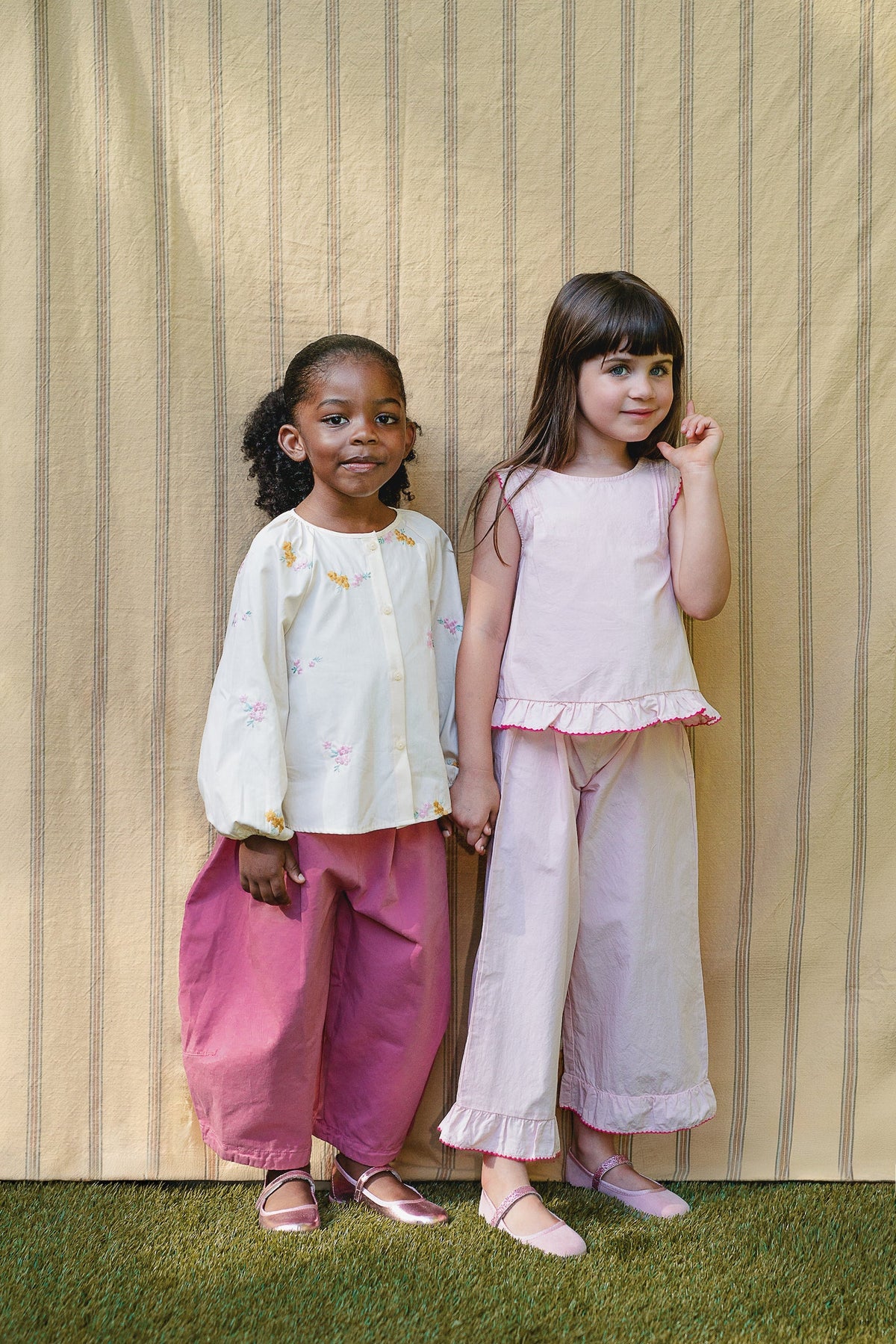
- Adjust your approach by material. Leather and suede need more patience than most, usually a few short sessions. Velvet and canvas are far more forgiving and typically need little to no real break-in at all. Our full product care guide covers how to handle each material long after the break-in period too.
When to size up instead of breaking in
Not all discomfort is a break-in issue, and it helps to know the difference. Redness at the toe, rather than at the heel, usually points to a shoe that is genuinely too small rather than simply stiff. The same goes for marks that do not fade within a day or two after a normal break-in period. If you are seeing either of those signs, the fix is a larger size, not more patience.
With love, Cori and Isa
FAQs
How long does it take to break in Mary Jane shoes?
For leather and suede, typically just a few short wears at home is enough. Velvet and canvas need little to no break-in at all, since neither material holds much stiffness to begin with.
Is it normal for new Mary Janes to rub at the heel?
A little rubbing in the first wear or two is common and usually resolves as the material softens. Persistent rubbing after several wears, though, usually points to a fit issue rather than a material one, and is worth addressing directly rather than pushing through.
Can I stretch Mary Jane shoes at home?
Thick socks worn during short wear sessions are the gentlest way to help leather and suede stretch naturally, since they add a small amount of extra volume while the material adjusts. Avoid anything more aggressive, like forcing a stretcher into a shoe that is genuinely the wrong size.
How do I know if my child's Mary Janes fit correctly?
There should be a thumb's width of space at the toe, with no rubbing or redness at the widest part of the foot after a normal wear. If your daughter has a wider foot specifically, our guide to Mary Janes for wide feet covers the details worth checking before you buy.