




8 Best Back To School Shoes for Girls in 2026
Back to school means new shoes. It also means a whole new round of small stresses. The shoe has to match the uniform, survive recess, stay on through a full day, and somehow fit right on the first try. Between the color rules, the material restrictions, and the styles that are and are not allowed, picking school shoes can feel like sitting for a test nobody handed you the syllabus for.
Cori and Isa here, the founders of Marjen. Twelve years of making children's shoes in family run workshops, and just as many Augusts watching our own daughters navigate the first week of school in them, has taught us one thing above all else. Every year we hear from parents asking some version of the same question, and what we have learned, over and over, is that the right back to school shoe has less to do with fashion than with knowing exactly what your school allows. Once you have that clarity, the rest is easy.
1. Mary Janes
- Best for: Everyday uniform wear
- Ages: 2–10
- Closure type: Buckle or hook-and-loop strap
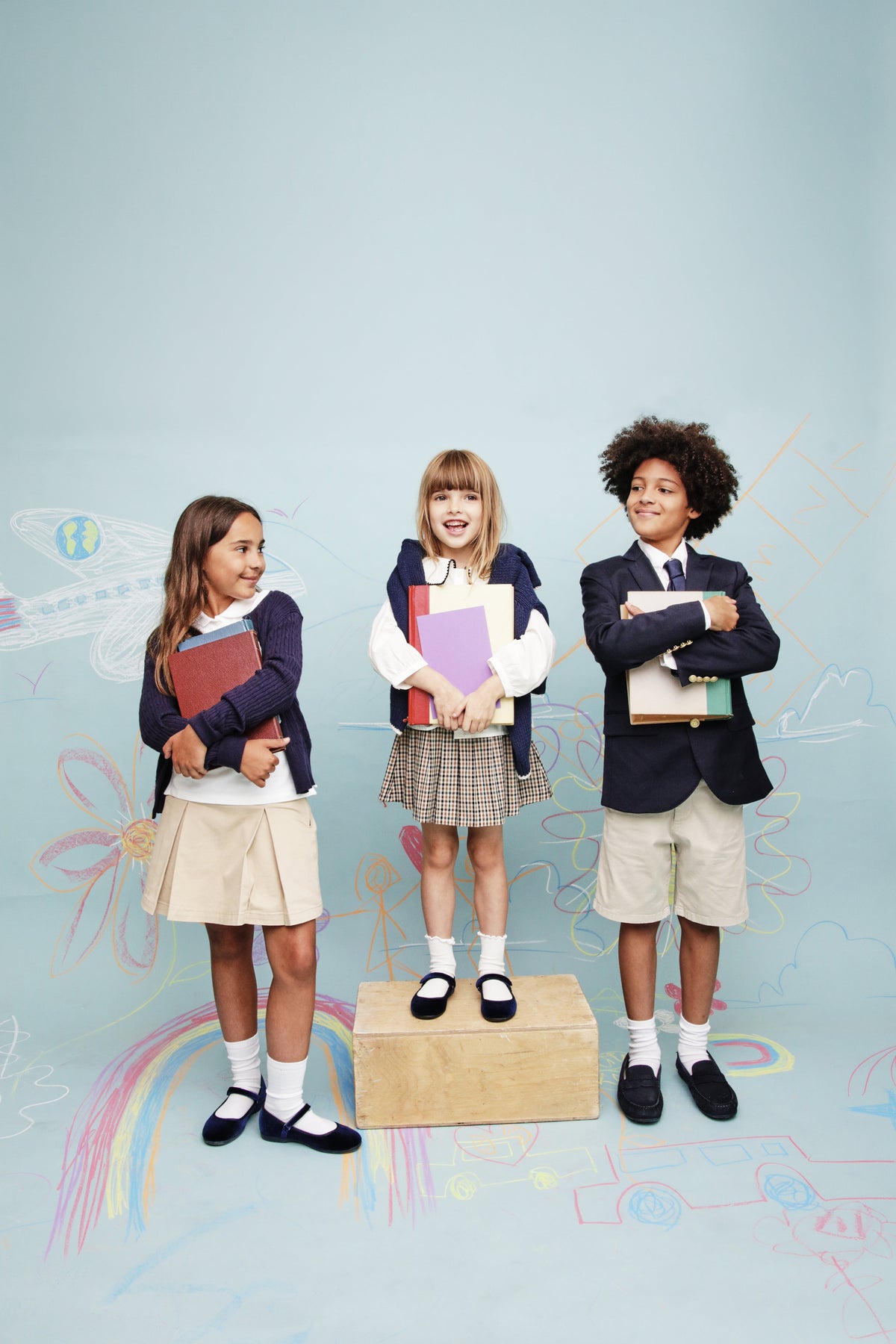
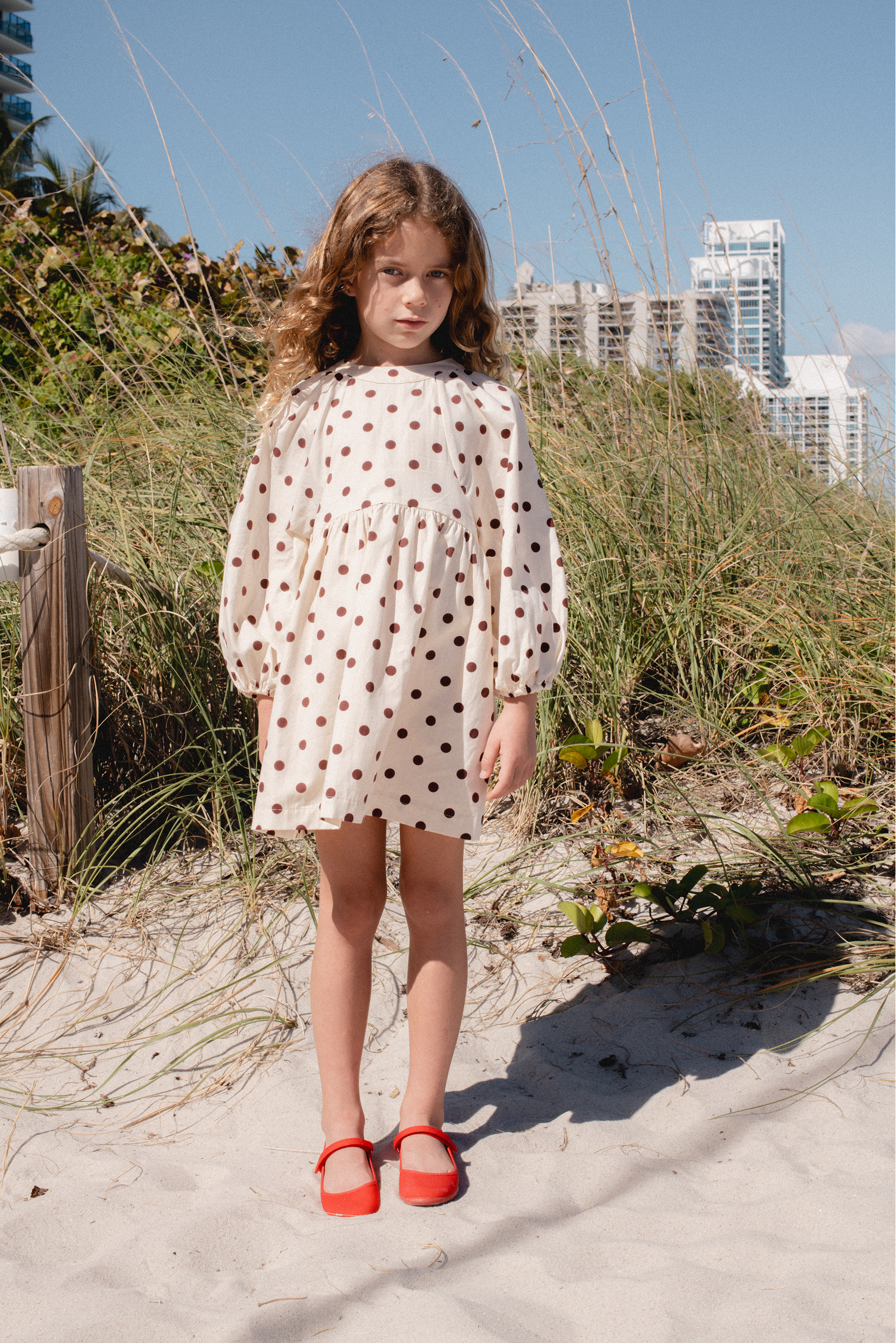
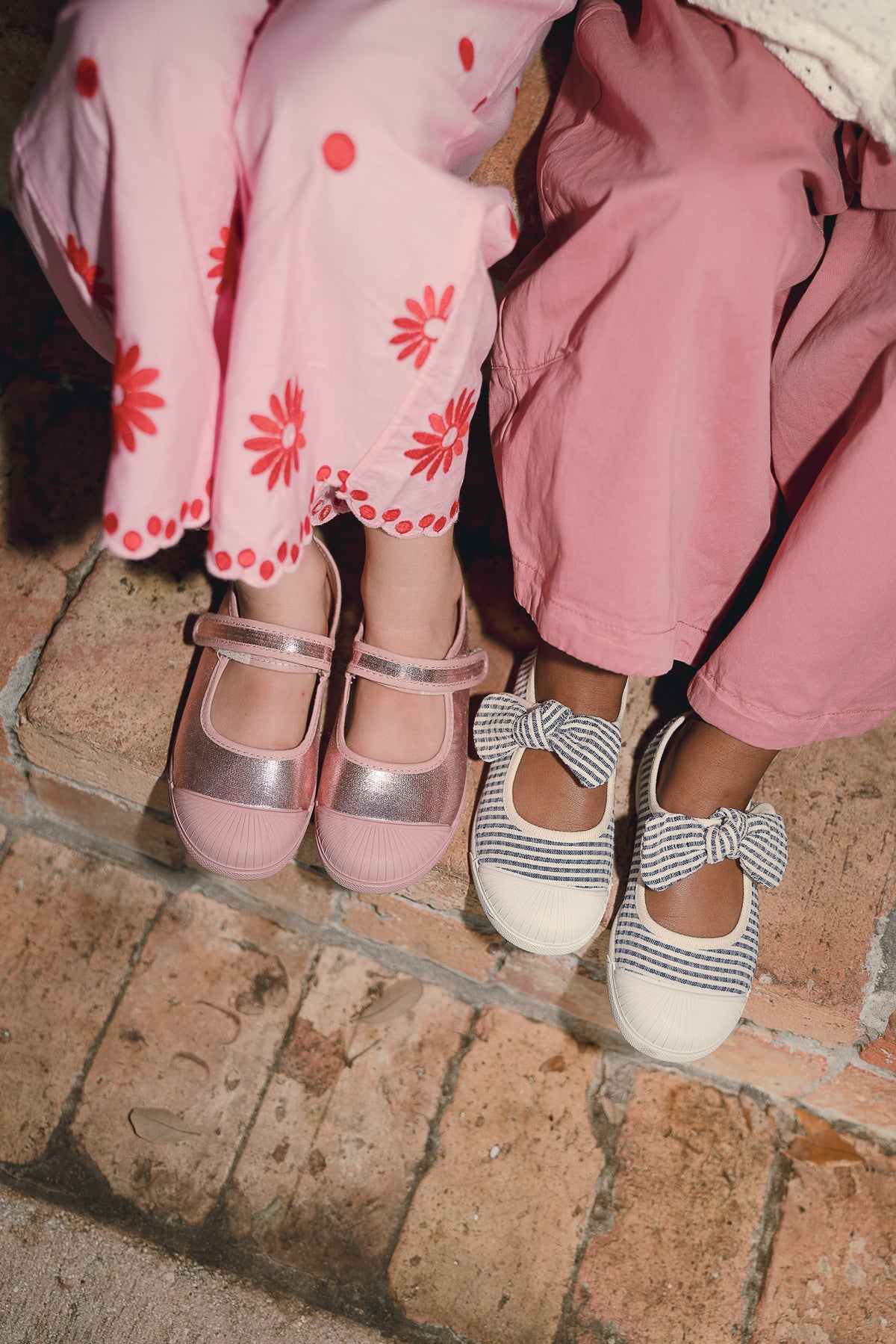
A Mary Jane is a low cut shoe with a rounded toe and a strap across the instep, and that strap is really the whole story. It holds the foot through the chaos of recess, stairs, and a full school day in a way a slip-on cannot come close to matching, which is exactly why this shoe has been the school standard for over a century. The strap does the work. The shoe stays on.
Schools tend to love them because they look neat. Parents love them because they actually hold up. Most uniform codes call for black, brown, or navy, three colors that disappear into any school setting and sit quietly under nearly every plaid we have ever seen.

2. Velcro strap
- Best for: Younger children who need to fasten their own shoes
- Ages: 2–7
- Closure type: Hook-and-loop (Velcro)
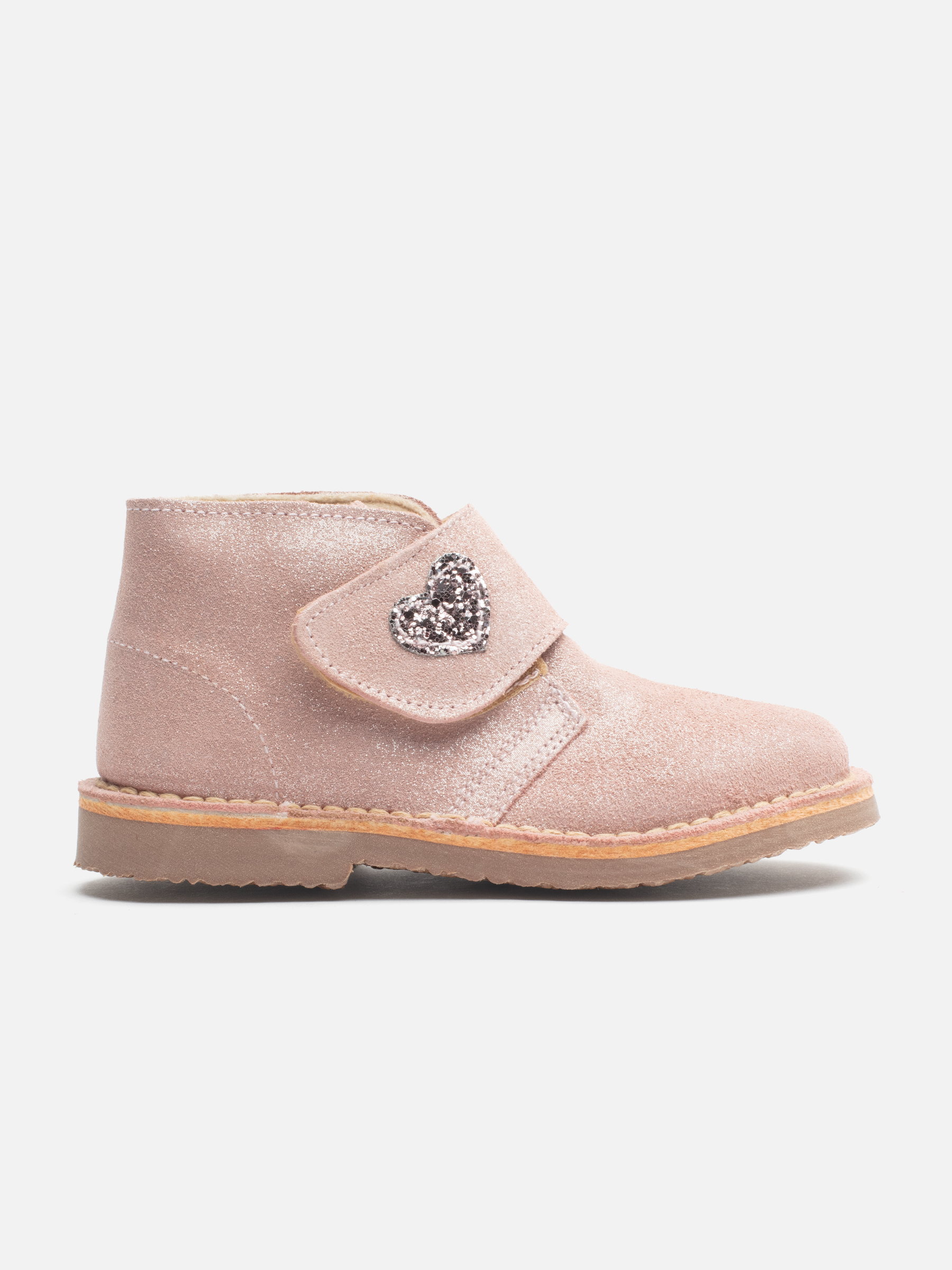
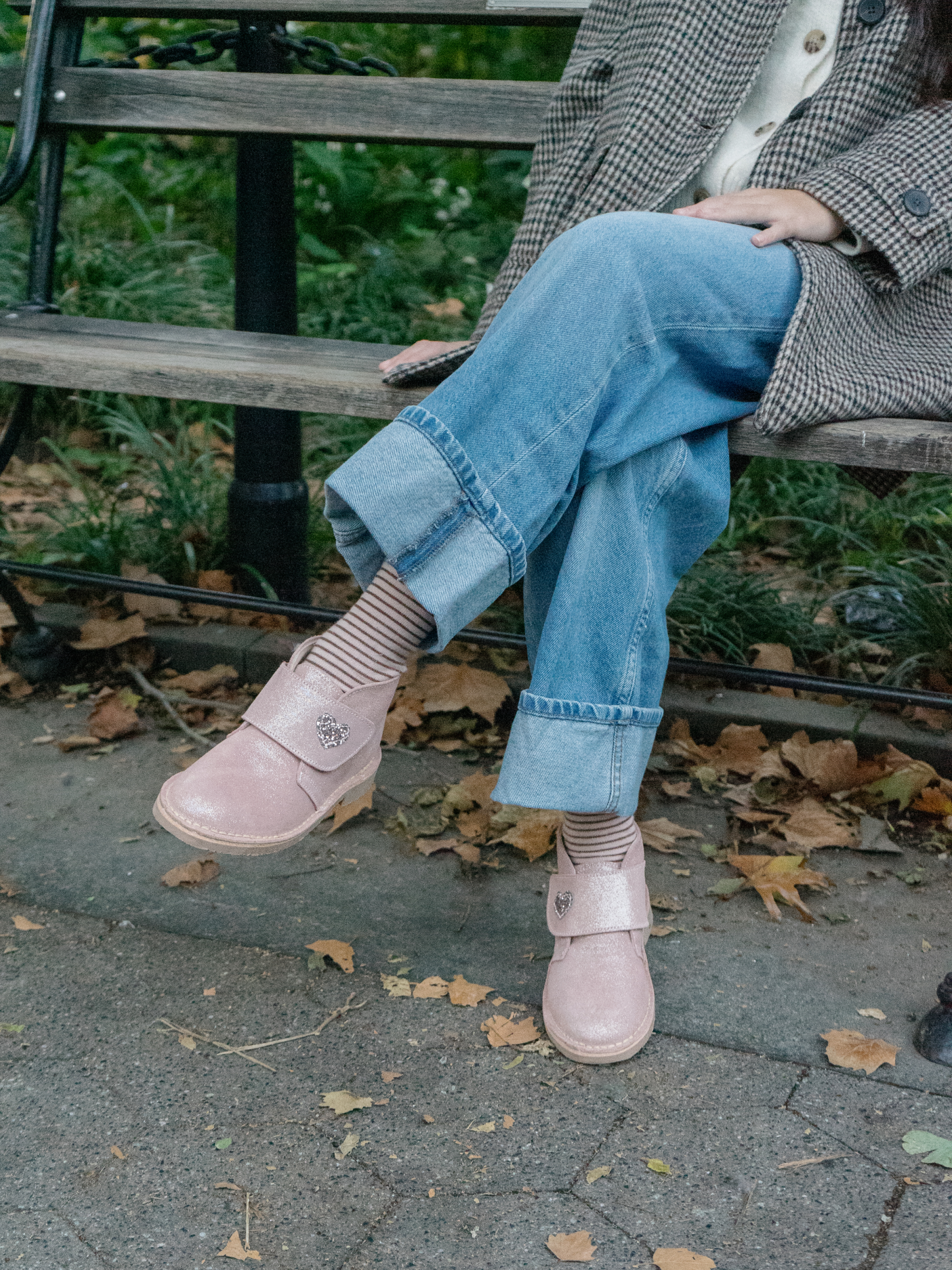
A hook-and-loop strap hands a child independence years before laces or buckles are realistic. A four year old can fasten Velcro on her own. She cannot tie a bow, and she almost certainly cannot manage a buckle without help. That independence matters more at school than most parents expect walking in: it means she is not standing at the cubbies waiting on a teacher, and she can loosen or tighten the fit herself as her feet swell through the morning.
3. Cap-toe shoes
- Best for: Stricter uniform policies and school events
- Closure type: Buckle or hook-and-loop strap
A cap-toe has a reinforced rubber strip across the front of the shoe, a small detail that reads as noticeably more formal than a plain leather toe. It dresses up for a school assembly or picture day without looking costume-like. But the detail does more than look good; it solves a real problem.
The toe is the area that scuffs first at recess, gravel, curbs, and enthusiastic scooter braking do damage a plain leather toe cannot absorb alone. The cap toe protects exactly where a child needs it most, so the shoe survives the year looking intentional rather than beaten down.
4. Leather loafers
- Best for: Older girls who dress themselves
- Closure type: Slip-on
A leather loafer is the fastest shoe on a rushed morning. No laces, no straps, just on and out the door. For an older girl who can actually keep a slip-on on her foot all day, a loafer feels more grown up than a Mary Jane and looks tidy without any fuss, which is exactly the feeling most third and fourth graders are chasing. It dresses up easily for an assembly and dresses down just as easily for lunch.
Here is the catch worth knowing before you buy: some schools do not allow slip-ons at all, for the plain safety reason that a shoe with no strap can come off mid run or mid climb. A quick email to the school office settles this in under a minute. If slip-ons are allowed, a loafer makes a genuinely useful second pair once a child is old enough to manage one responsibly.

5. Ballet flats
- Best for: Warm classrooms and lighter uniform policies
- Closure type: Elastic or none
A ballet flat is a slip-on built on the shape of a dancer's slipper: no strap, no closure, just one clean line from toe to heel. It earns its place in specific situations. A warm classroom where she sits most of the day. A school with a relaxed enough dress code to allow it. A girl old enough to keep a slip-on shoe on without thinking about it. Some schools genuinely prefer how neat and minimal it looks.
Here is the honest part. A ballet flat is the least secure shoe on this whole list. With no strap, it depends entirely on a snug fit to stay put, and a snug fit is difficult to maintain on a foot that is still growing. A child who runs at recess, takes stairs two at a time, or simply moves the way most children move will likely lose a ballet flat before lunch. It slips off during play, slips off in the hallway, and slips off at the exact moment she is trying to focus on math instead of her shoe. We think of it as a second pair rather than the everyday one: something for picture day, not the workhorse of the school week.

6. Lace-up leather shoes
- Best for: Very active girls and wide feet
- Closure type: Laces
A lace-up leather shoe gives you something no other closure can, the ability to adjust the fit through the day as feet swell. A child's feet are not static, they swell during recess, swell during a long school day, and swell more in warm classrooms.
A Mary Jane strap is fixed in place; a loafer has no adjustment at all. Laces let you tighten or loosen as the day goes on, so the shoe stays comfortable whether her feet are fresh in the morning or swollen by dismissal.
Lace-ups are also the best choice for a girl with wide feet or a high instep that a standard Mary Jane leaves rubbing, or for a child who wears orthotic insoles. The lacing system lets you accommodate the width without the shoe being too big overall. If your daughter's feet need real customization, this is the style that delivers it.
The trade-off is speed, laces take longer in the morning than a strap or a slip-on, so this works best for a girl old enough to tie her own shoes or a parent with a few extra minutes before school.
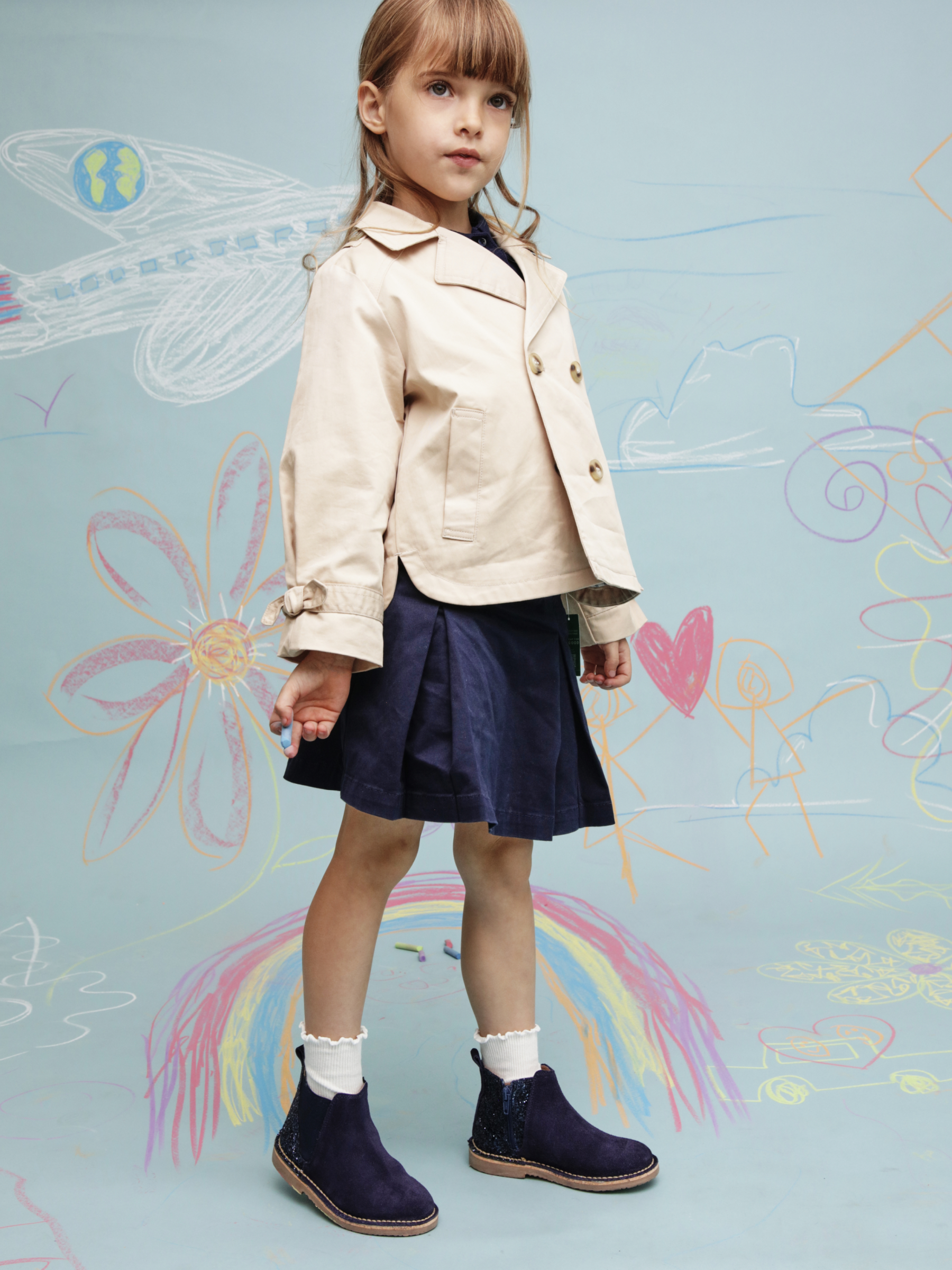
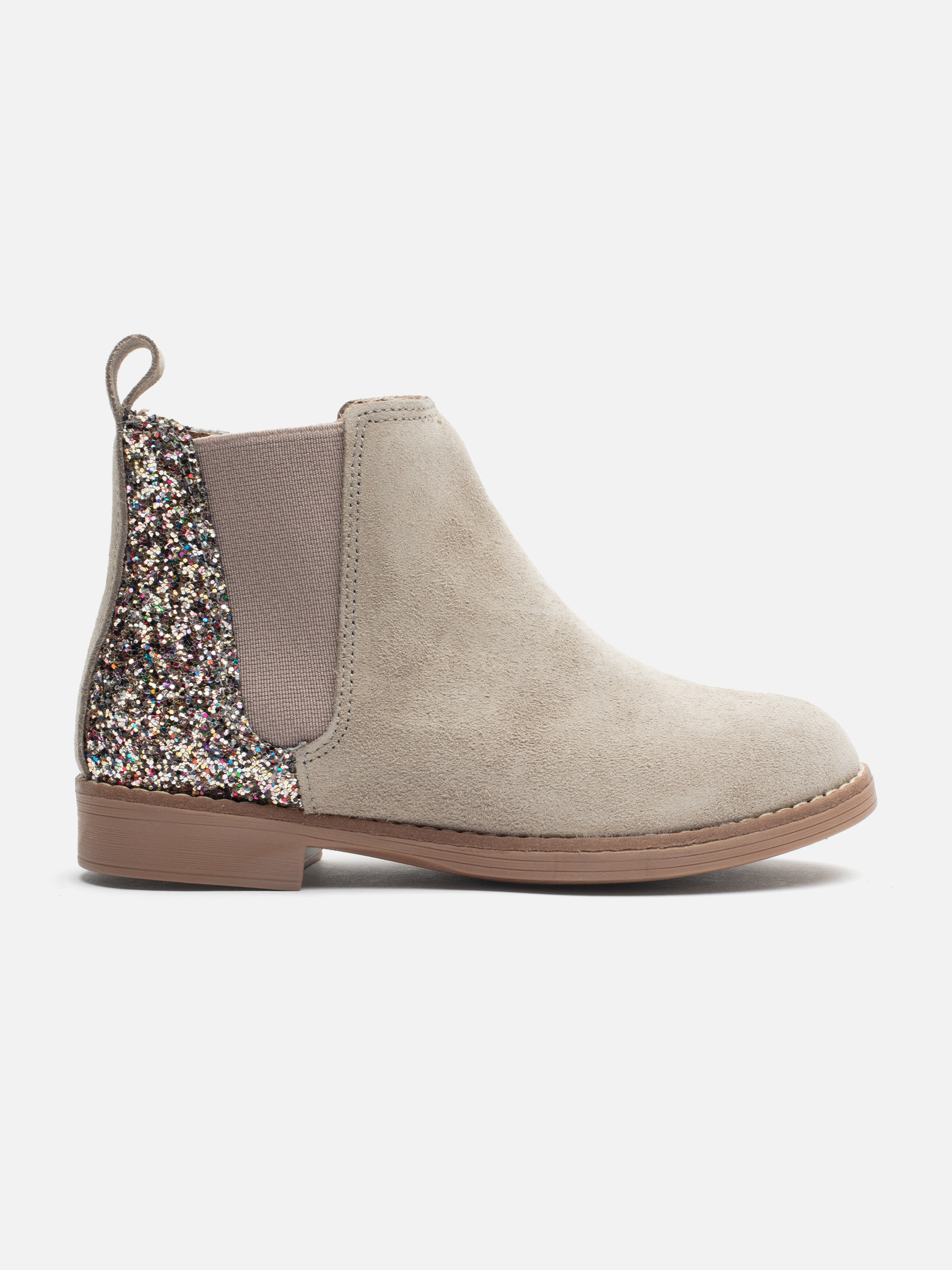
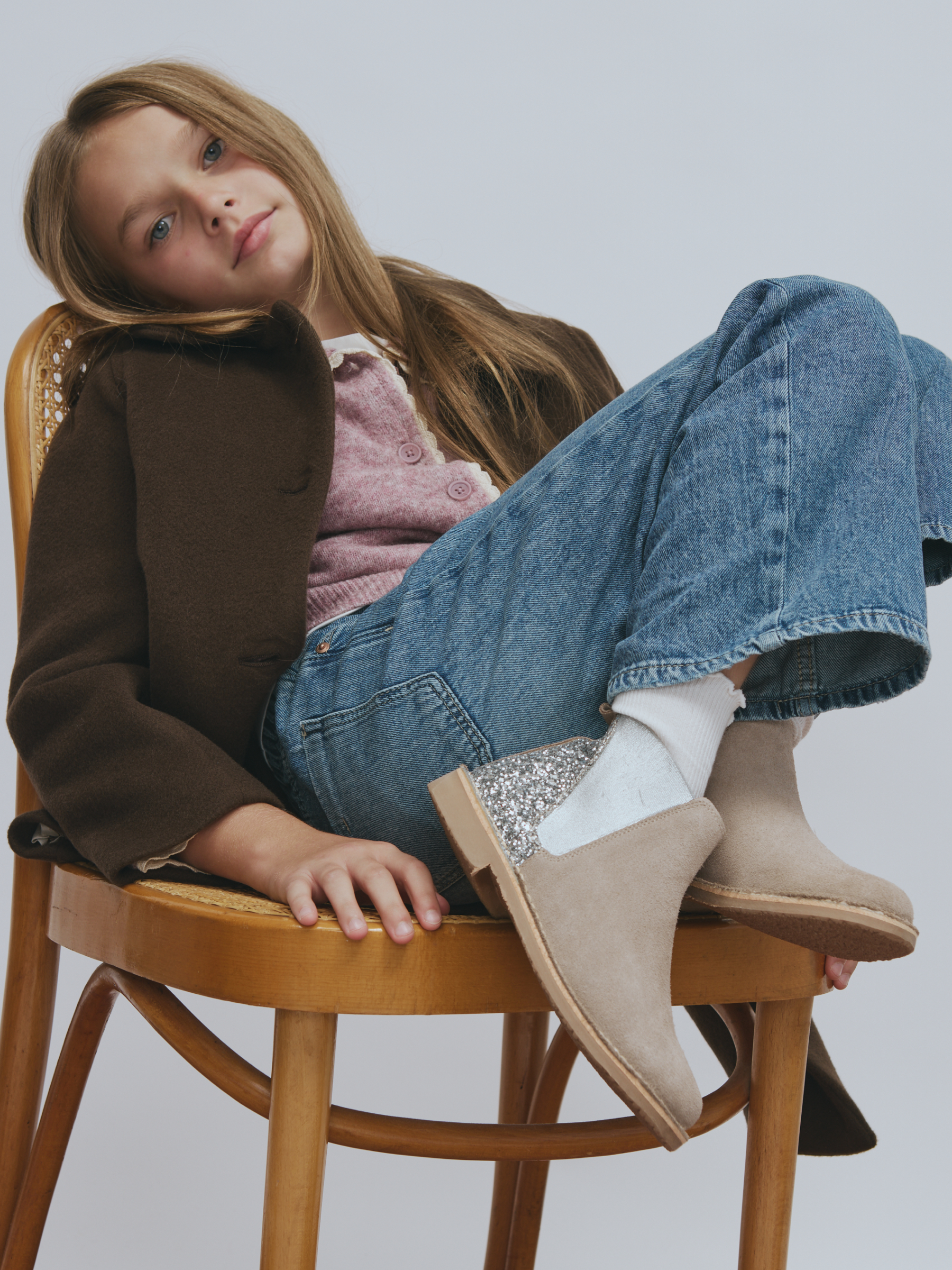
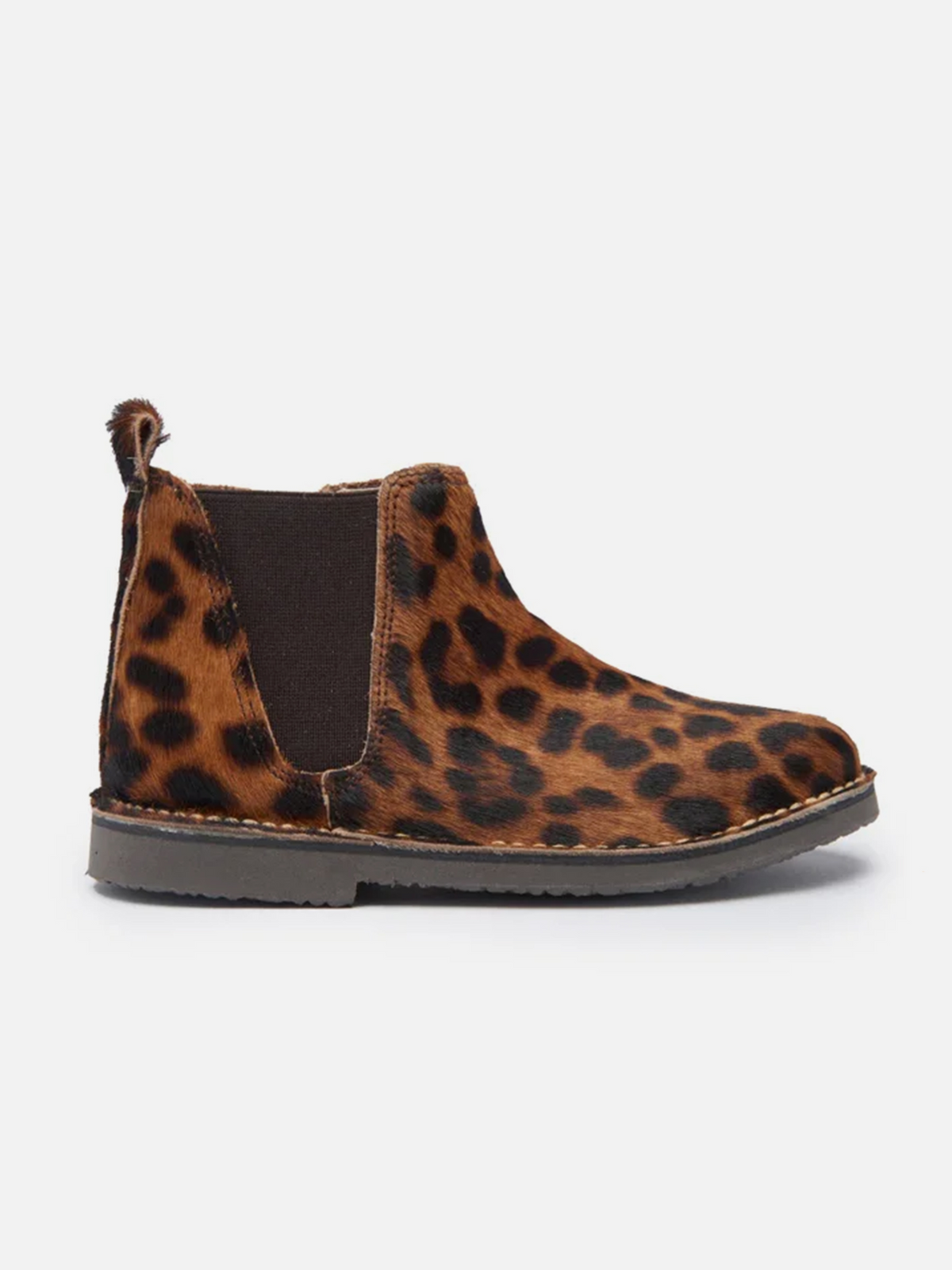
7. Ankle boots
- Best for: Fall and winter terms
- Closure type: Side zip or laces
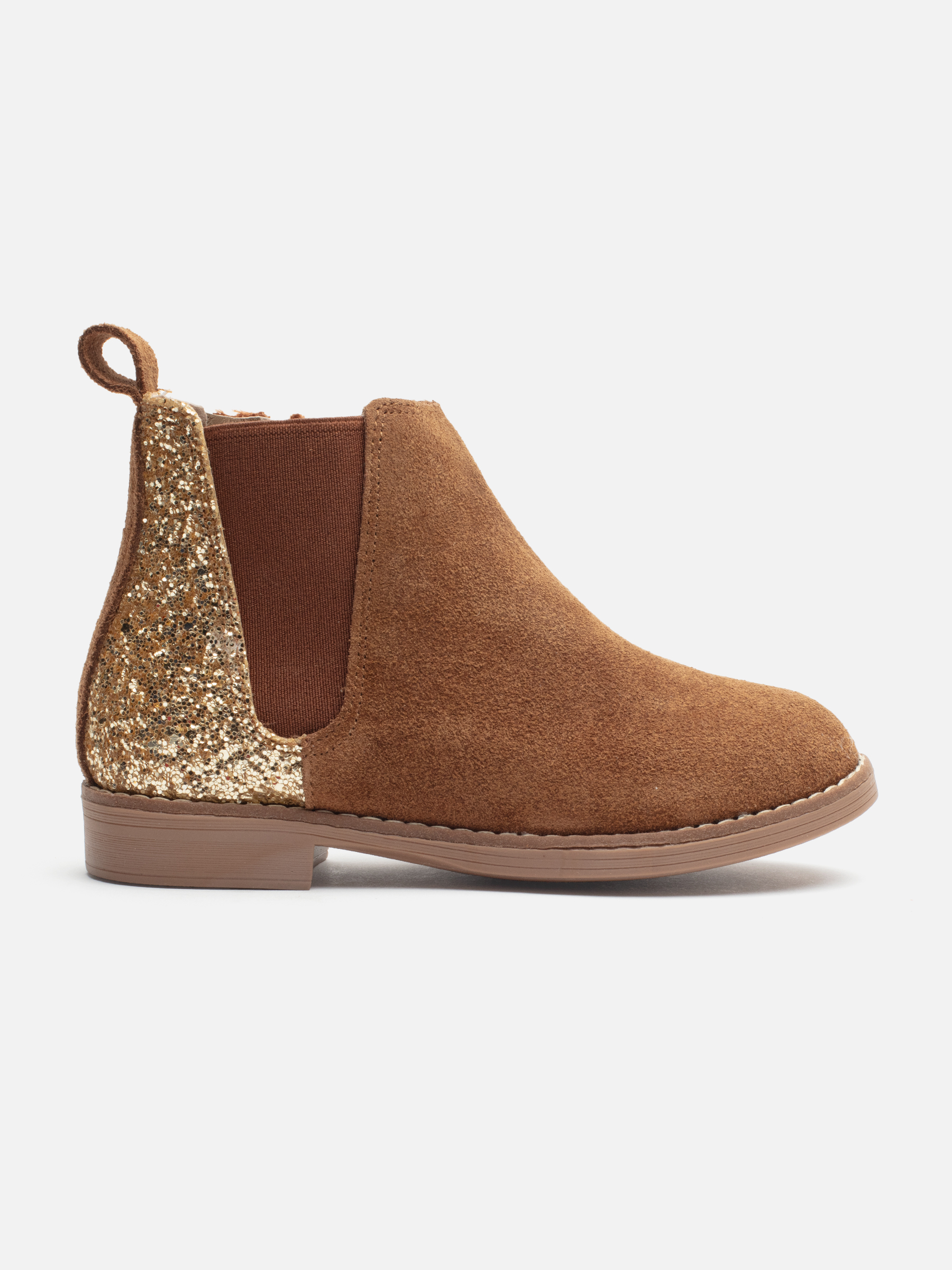
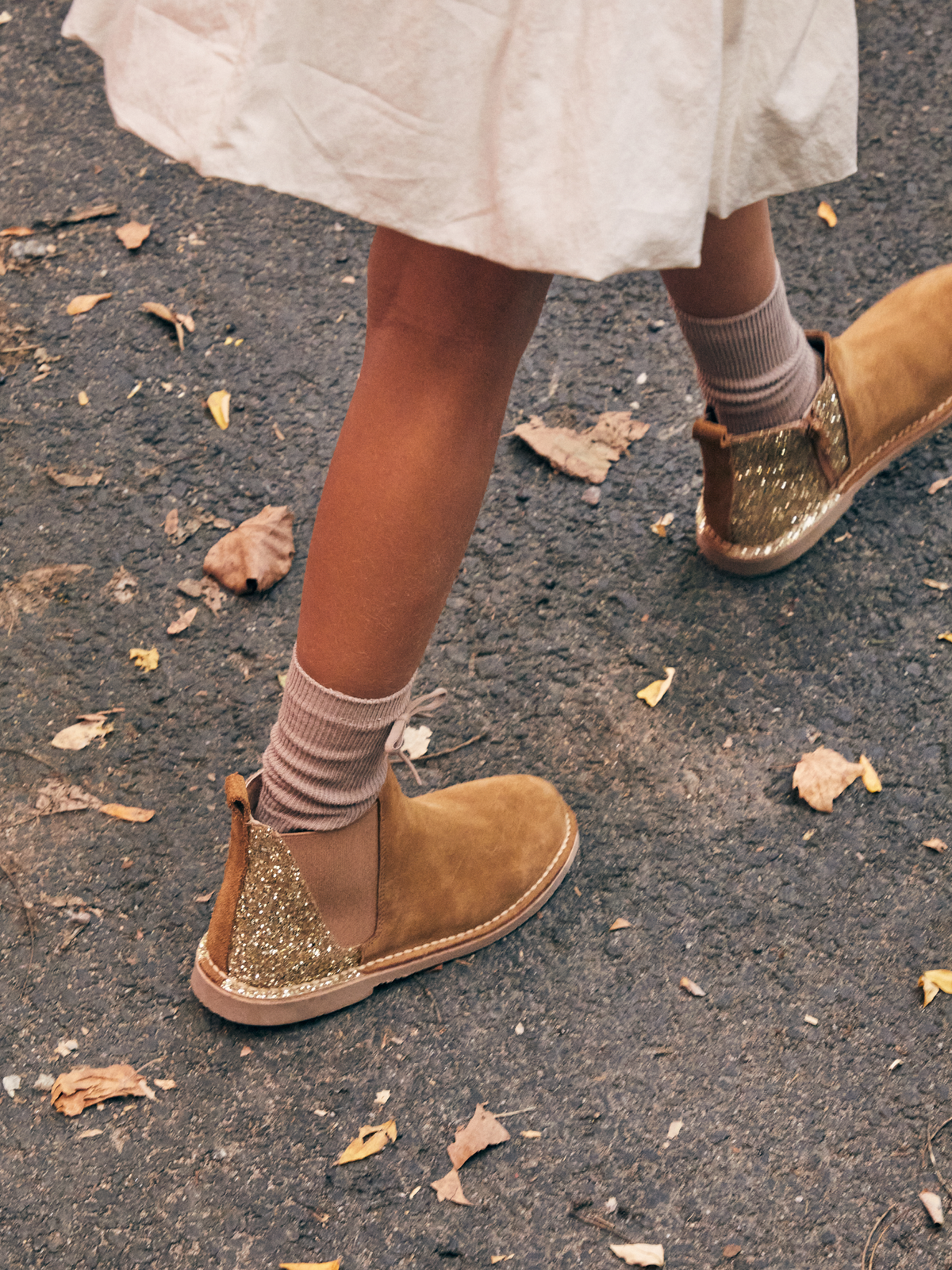
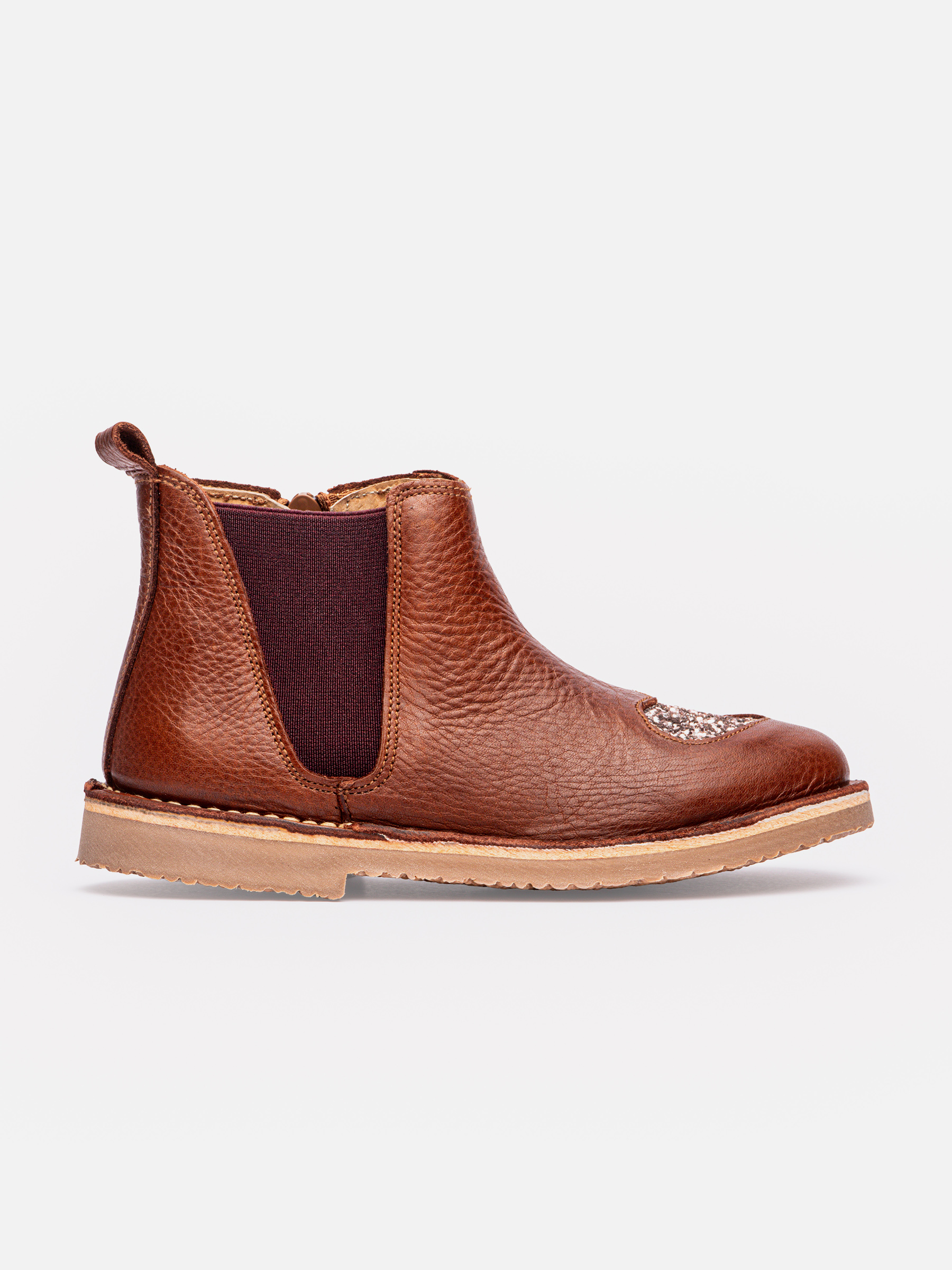
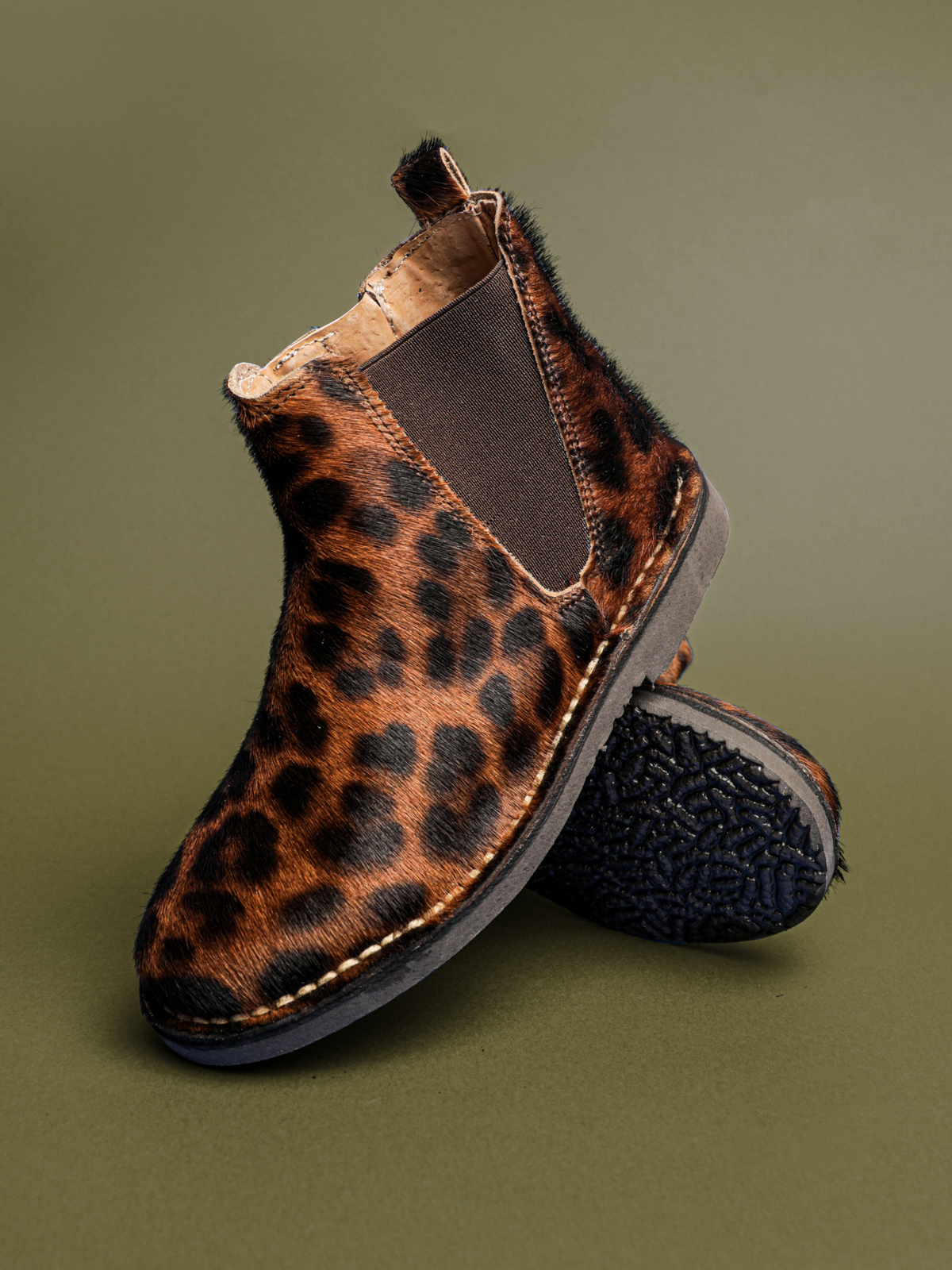
An ankle boot is not an everyday choice; it is a seasonal one. A separate winter pair makes sense once the weather turns cold and wet, when regular school shoes would soak through, or when a child's feet need the extra warmth that a boot provides. A good ankle boot has a sole with real grip, so wet hallways and icy sidewalks do not turn into a safety problem. It also has leather that actually breathes, because a boot that traps sweat and heat all day is a boot that gets taken off at lunch and abandoned in a locker.
When winter ends, the boots go back into storage. This is a second pair, not a replacement, a practical choice for climates where a three-month window of cold, wet weather makes a difference. If your school year runs through warm fall and spring, an ankle boot might not make sense at all.

8. Sneakers
- Best for: PE days and schools without a formal shoe policy
- Closure type: Laces or hook-and-loop
If your school allows sneakers as part of the uniform, or permits them for PE days, here is what to look for, a flexible sole that bends with her foot, not one that is built stiff for adult performance; a secure closure that stays fastened through running and climbing; and a fit that is true to size, since children's feet are still developing and a tight sneaker causes real problems through a school day.
The best school sneaker is one that looks intentional, not like outdoor gear. Black, navy, or grey sneakers read as school-appropriate; bright colors and heavy branding read as casual. If her school allows sneakers, this is your chance to pick one that actually works for a child's body, not just one that matches the trend.
FAQs
How many pairs of school shoes does she need?
The answer depends on her school's requirements and your climate. Three pairs because she needs an everyday pair for the five-day rotation, a PE pair if your school requires a separate shoe, and a weather pair for fall or winter if you're in a cold climate. Rotating between pairs extends the life of each shoe and means one worn-out pair doesn't derail the whole school year.
How do I get the right size for school shoes?
Sizing correctly from the start makes the whole year easier. Measure her foot at home by having her stand on paper and trace her heel and longest toe, then measure the distance. Check her size every three months through the school year because children's feet grow faster than expected. If you're ordering online and she's between sizes, order a half size up because a slightly roomy shoe grows with her better than one that's snug from day one.
How do I make school shoes last the whole year?
A pair that lasts twelve months takes strategy, not luck. Rotate between two pairs so each has time to dry and breathe between wears. Clean them weekly by wiping leather with a damp cloth or running most canvas pairs through the washing machine. Look for a flexible sole that moves with her foot, not a stiff one, because a shoe that works with a developing foot lasts significantly longer.
What color school shoes are best for girls?
The safest colors are always the most versatile. Black, brown, or navy are the three colors that match almost every uniform and disappear into any school setting. Black is the safest choice if you're unsure about your school's policy. Always check your school's dress code first because some schools have specific color requirements.
Can girls wear sneakers as school shoes?
It depends entirely on what your school allows. Only if your school allows it, since policies vary by school type. If sneakers are permitted, choose black, navy, or grey because they read as school-appropriate. Make sure they have a flexible sole and a secure closure that stays fastened through running and climbing.
When should I buy back to school shoes?
Timing matters more than you might think. Buy two to three weeks before school starts, after her feet have been measured and after you've confirmed the school's dress code. Buying too early means sizing for July when her feet will grow by September. Buying too late means scrambling if the size or style isn't in stock.
Read more
There is a moment every parent knows. You are already late, her jacket is on inside out, and she is sitting on the floor wrestling with a shoe. The right pair of shoes does not just complete an out...
A wide foot is not a problem you solve by buying a bigger size. It is a different shape, not a smaller version of the same shape scaled up, and a bigger shoe usually just means more room everywhere...